AI Image Generators: Transforming Visual Content Creation with Artificial Intelligence
Visual content has always played a critical role in digital communication. From web design and advertising to social media and e-commerce, high-quality visuals are essential for capturing attention and conveying messages quickly. With the rise of artificial intelligence, a new category of creative tools has emerged—AI image generators. These tools use machine learning models to automatically generate realistic, artistic, or abstract images based on text prompts, style inputs, or even sketches.
AI image generators are changing the landscape for designers, content creators, marketers, and SEO professionals. They eliminate many of the barriers traditionally associated with creating graphics—such as cost, time, and technical skill—while enabling a new level of creativity and customization. For professionals in SEO and link building, integrating unique visuals generated by AI into blogs, outreach content, and landing pages can drastically boost engagement and SEO performance.
Main Points of the Content:
-
-
AI image generators use artificial intelligence to create unique images based on text prompts, sketches, or stylistic inputs.
-
These tools reduce the need for manual design skills, expensive designers, or stock images.
-
AI-generated images can be realistic, artistic, abstract, or customized to brand styles.
-
The technology behind AI image generators often includes GANs (Generative Adversarial Networks) and diffusion models.
-
Tools like DALL·E 2, MidJourney, Stable Diffusion, and RunwayML lead the market.
-
Key benefits include time-saving, cost efficiency, creative freedom, customization, copyright safety, and better engagement.
-
AI image generators can improve SEO by enhancing click-through rates, increasing dwell time, and standing out in image search results.
-
In digital marketing, they are used for blog illustrations, infographics, landing pages, guest post visuals, product mockups, and social media graphics.
-
Real-world use cases span industries like ecommerce, education, healthcare, entertainment, real estate, and publishing.
-
Challenges include potential bias in AI models, originality concerns, copyright confusion, and misuse (e.g., fake imagery).
-
Ethical use involves understanding image rights, providing transparency, and avoiding misuse.
-
Future trends include real-time image generation, deeper design tool integration, interactive visuals, and AI-generated videos and 3D content.
-
For link builders and SEO professionals, using AI-generated images helps improve user experience on low-DA sites and content engagement.
-
Responsible use of AI image generators enables better branding, storytelling, and marketing outcomes across digital platforms.
-
What Are AI Image Generators?
AI image generators are software applications that use artificial intelligence and machine learning algorithms to create original images from textual descriptions, sample images, or stylistic inputs. These tools are trained on massive datasets consisting of photos, artwork, illustrations, and real-world visuals to understand how elements of an image should be composed.
The result? Users can describe what they want in a few words—like “a futuristic city skyline at sunset”—and the AI will render a detailed image that matches the prompt. Some generators even allow users to upload sketches, choose art styles, or combine reference images to fine-tune the output.
How AI Image Generation Works
Most AI image generators are powered by Generative Adversarial Networks (GANs) or diffusion models. Here’s a simplified breakdown:
-
Text-to-Image Translation: The user inputs a prompt (e.g., “a lion in a suit sitting at a desk”), and the AI interprets this using natural language processing (NLP).
-
Image Synthesis: The AI combines understanding of visual elements with its training data to generate an image matching the prompt.
-
Fine-Tuning: Some models allow users to edit the result, upscale resolution, or generate variations.
Behind the scenes, models like DALL·E, MidJourney, Stable Diffusion, and RunwayML use billions of image-text pairings to learn correlations between words and visuals.
Key Benefits of Using AI Image Generators
AI image generators offer numerous advantages that make them valuable for professionals and creatives:
1. Time-Saving
Creating original graphics manually takes hours or even days. AI can generate visuals in seconds.
2. Cost-Effective
Hiring a designer or purchasing stock images can be expensive. Many AI tools offer affordable plans or free trials.
3. Creative Freedom
Users can experiment with endless styles, themes, and concepts—no artistic background required.
4. Customization
Tailor images precisely to your needs with style prompts, brand colors, or reference materials.
5. No Copyright Hassles
Most AI-generated images are original creations, reducing the risk of copyright infringement when used correctly.
6. Boosts Content Engagement
High-quality visuals improve dwell time, click-through rates, and social media sharing.
Popular AI Image Generator Tools
Several leading platforms are currently shaping the AI image generation space:
-
DALL·E 2 by OpenAI: Generates photorealistic or artistic images from natural language prompts.
-
MidJourney: Specializes in stylized, artistic outputs—widely used by creators and designers.
-
Stable Diffusion: Open-source image generator with flexible customization and integration options.
-
Runway ML: Offers creative tools for generating, editing, and animating images and videos.
-
NightCafe Studio: Easy-to-use interface for generating AI art using different models.
-
Deep Dream Generator: Focuses on dreamlike, abstract visual styles.
These tools are being adopted by bloggers, marketers, web developers, and even product designers.
Applications in Digital Marketing and SEO
For SEO experts, content marketers, and link builders, AI image generators offer significant advantages:
-
Unique Blog Illustrations: Replace stock photos with custom graphics that match your brand and topic.
-
Infographics and Visual Summaries: Turn data and articles into visually appealing content that ranks better and gets shared.
-
Guest Post Enhancement: Enhance outreach articles with branded visuals, increasing acceptance rates.
-
Product Mockups: Create conceptual designs or visuals for product landing pages without photography.
-
Social Media Graphics: Quickly design engaging visuals for posts, stories, or ad campaigns.
-
Featured Images for SEO: Unique visuals improve click-through rates from search engine result pages (SERPs).
Using original images also helps your content stand out in Google Image search, which can drive additional traffic to your pages.
Real-World Use Cases Across Industries
AI image generation is finding traction across multiple sectors:
1. E-commerce
Retailers generate custom product images, lifestyle mockups, or color variations on demand.
2. Education
Educators and course creators use AI visuals in presentations, eBooks, and online courses.
3. Healthcare
Medical illustrations, diagrams, and conceptual visuals for training materials.
4. Entertainment
Game developers and filmmakers create concept art or scene designs rapidly.
5. Real Estate
Architectural visualizations and staging concepts for property listings.
6. Publishing
Book covers, blog thumbnails, and illustration content for online and print publications.
If you’re managing client sites with low domain authority or building backlinks through visual content strategies, these tools can significantly elevate your creative assets.
Ethical Concerns and Limitations
Despite the benefits, there are some limitations and ethical concerns surrounding AI-generated imagery:
-
Bias in Training Data: AI may reflect societal biases present in its training dataset.
-
Originality Questions: Some platforms produce images that closely resemble their training material.
-
Legal Gray Areas: While most tools generate new images, ownership and licensing rules vary by platform.
-
Creative Dependency: Over-reliance on AI tools may limit the development of human artistic skills.
-
Misinformation Risk: Deepfakes and fake imagery generated by AI could be used to deceive.
Transparency, proper attribution, and clear usage guidelines are essential when using AI visuals for professional work.
Future Trends in AI-Powered Image Creation
AI image generators are rapidly evolving. Future developments include:
-
Real-Time Generation: Instant image creation during live presentations, video calls, or virtual classrooms.
-
Higher Accuracy: More accurate rendering of complex prompts and concepts.
-
Integration with Design Tools: AI generation embedded within platforms like Canva, Figma, or Photoshop.
-
Interactive Imagery: Images that respond to user input or change based on behavior.
-
3D and Video Generation: Expansion from 2D stills to animations, 3D modeling, and AI-generated video.
As these tools become more accessible and intelligent, they will become standard components of the digital content ecosystem.
Final Thoughts on Integrating AI Image Tools
AI image generators are not just trendy tools—they are essential assets for digital professionals looking to streamline workflows, cut costs, and elevate content quality. Whether you’re managing an SEO campaign, creating a landing page, or building a niche blog, original visuals generated by AI can dramatically enhance your brand’s identity and user engagement.
For SEO strategists, especially those working with low-DA websites or trying to improve user experience metrics, integrating AI-generated images can reduce bounce rate, increase dwell time, and improve SERP visibility. As with any technology, the key is to use it responsibly and creatively.
Let me know if you’d like this article tailored for a specific AI image platform, reformatted into a guest post, or optimized for your personal websites or client campaigns.
Related Posts
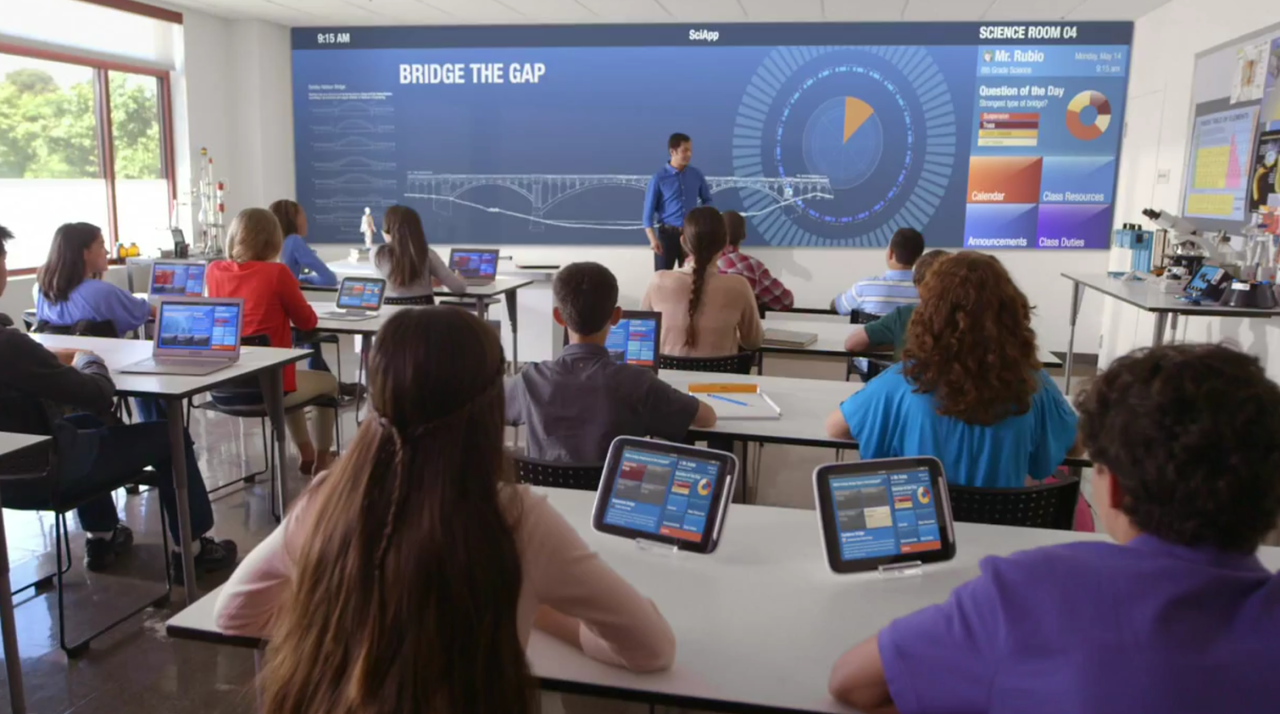
Future Classrooms Hybrid Tech Learning in Action
The classroom of tomorrow has already arrived. In 2025, hybrid…
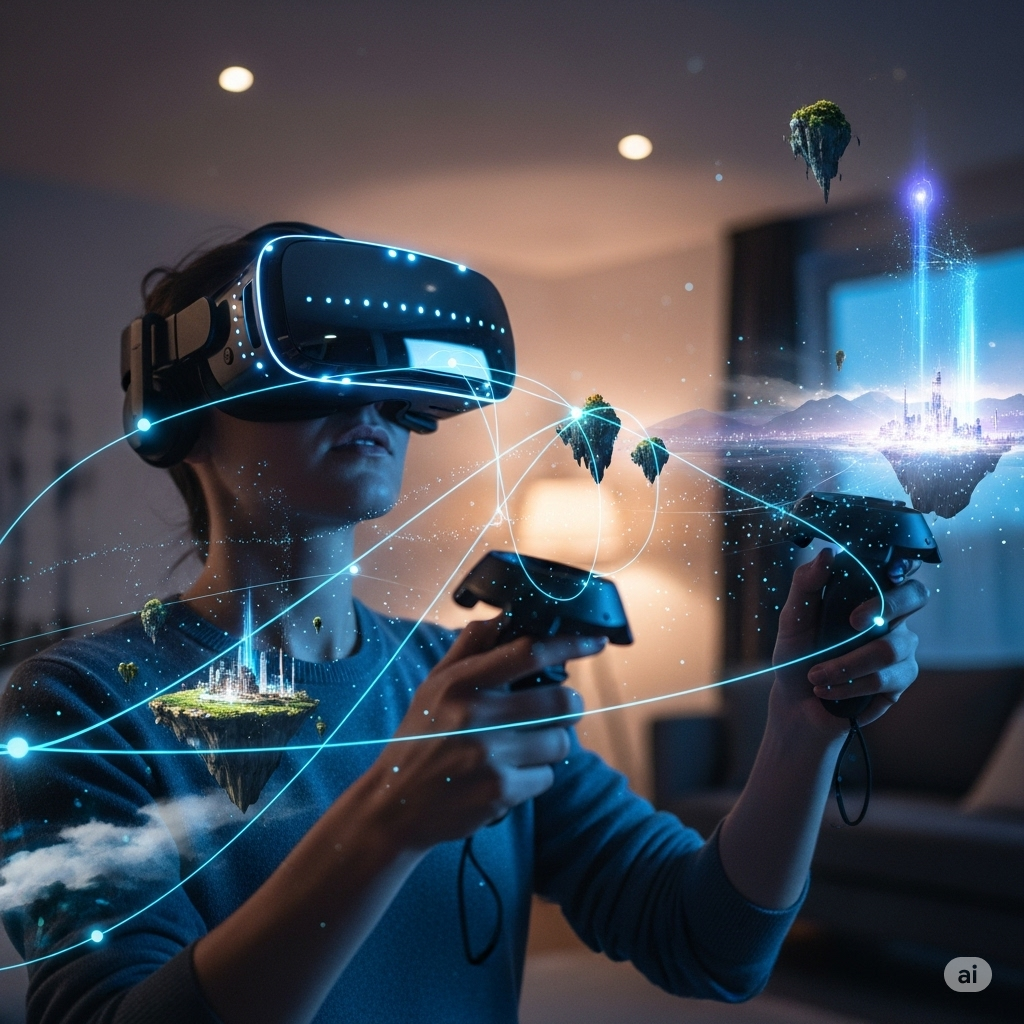
Virtual Reality (VR): A New Dimension of Digital Experience
Introduction: What is Virtual Reality (VR)? Virtual Reality (VR) is…
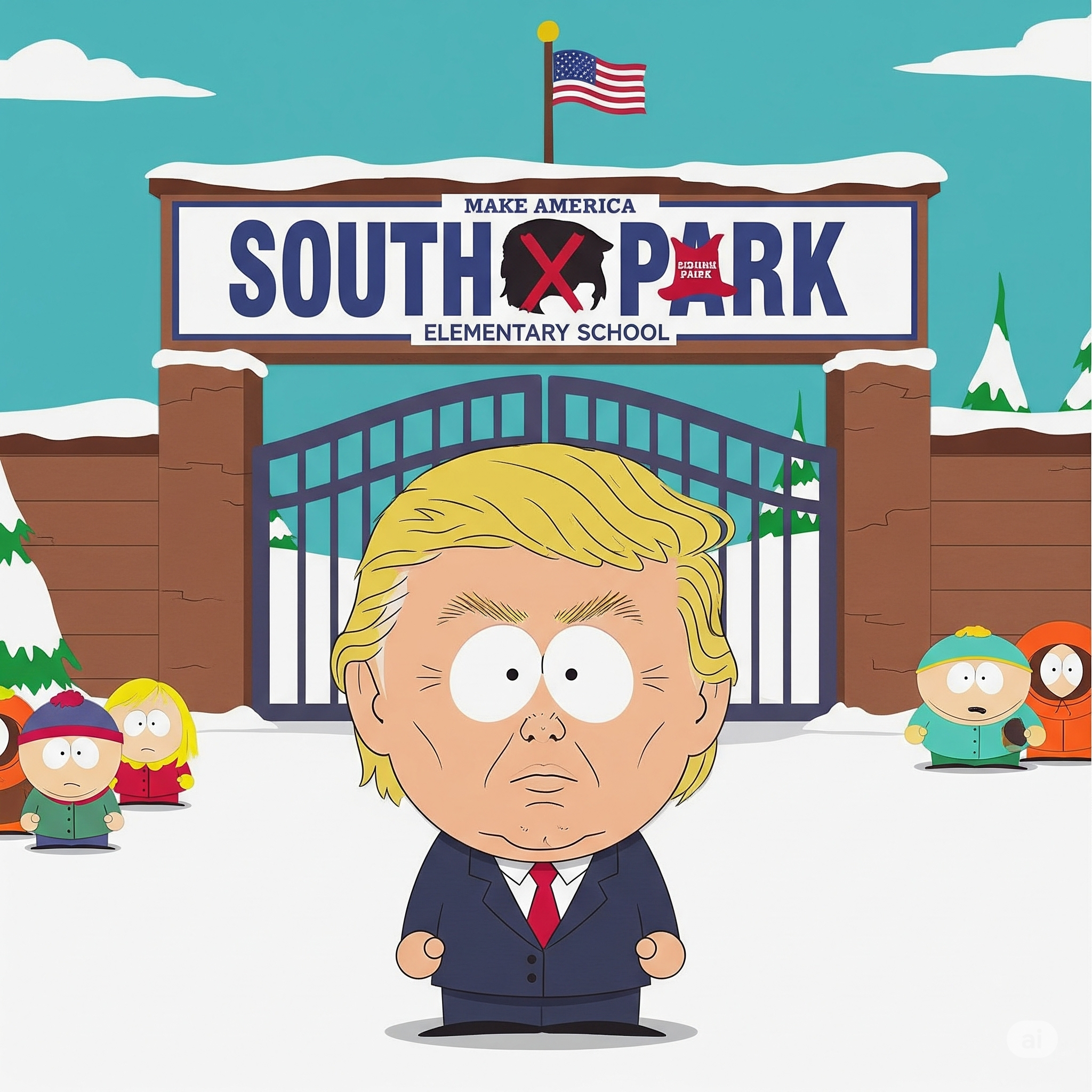
Donald Trump in South Park A Satirical Look at Power and Politics
South Park has never been afraid to challenge norms, and…